The Two‑Way Mirror: Recovery, Nursing, and the Fear of Being Seen
My name is Maddie. I'm a nursing student, and I'm an alcoholic. The class is called psychiatric and mental health nursing. I loved it right up until I saw that fateful line in the syllabus: ‘Students will attend an in-person peer support meeting once during the block.’
My first instinct was to avoid meetings altogether once I realized my classmates might start showing up. But I'm only about 3 months sober. Skipping a meeting is not an option. I tell myself there's no shame in attending AA, that showing up is a sign of strength, not weakness.
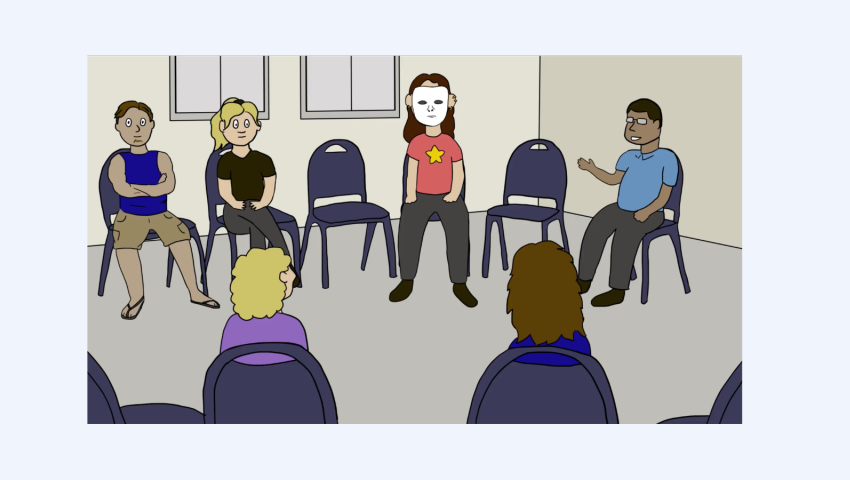
As I settle in, I spot two other familiar faces. They look young, out of place, but curious. My stomach drops. The meeting starts. Announcements, the opening script, the 12 steps. I remember too late that this meeting goes around the room for introductions. “My name is Maddie, and I'm an alcoholic.” Every judgment I imagine my classmates feeling gets louder as the meeting drags on.
The meeting itself is painfully dry. And all I can imagine is that my classmates’ only exposure to AA is this a flat, god-heavy meeting that makes recovery sound like a sermon. And while spiritual change is a part of the 12 steps, it's only a small piece of what AA means to me. I feel misrepresented, ashamed, embarrassed, like the most vulnerable part of my life is being filtered through the worst possible lens. There's an unspoken role in healthcare. You can care for people with addiction, but you should never admit you've been one of them.
A 2024 study found that many nurses still hold stigmatizing beliefs about substance use disorders, often viewing addiction as a moral failing rather than a chronic health condition. Those attitudes don't just shape how nurses treat patients, they shape how nurses treat each other. If the people training me to care for patients still see addiction as a character flaw, why would I ever feel safe telling them I'm in recovery?
In 2024, every nurse published an updated review of what happens when a nurse gets a DUI. The consequences are severe. License sanctions, mandatory monitoring programs, years of drug testing, required meetings, and a permanent mark on your professional record. Recovery becomes something the board polices, not something the profession supports. Nurses learn early that admitting a problem can cost them their career. Nursing students learn it even earlier.
Don't mess up. Don't slip. Don't be human. And if you are, don't let anyone find out.
But the silence has a cost. It makes you feel like you're living two lives. The polished student who shows up to clinicals with a stethoscope and a smile. And the person who sits in a church basement at night trying to rebuild her life one meeting at a time.
And here's the part that scares me the most. When healthcare workers are afraid to be honest about their recovery, they're also afraid to be honest when they're struggling. A 2025 article in American Nurse Journal described a culture of silence in nursing where fear of professional consequences prevents nurses from seeking help for mental health or substance use issues. Nurses delay treatment, hide symptoms, and avoid reaching out until their situation becomes critical. And when they are in recovery, stigma doesn't just silence them. It robs their patients of something powerful. Research consistently shows that reducing stigma improves trust, engagement, and treatment adherence. So, when nurses in recovery stay silent, they miss the chance to build trust, transparency, and connection with the people they care for. They miss the chance to turn their hardest experiences into something meaningful. And patients miss out, too.
Recovery is not a liability. It's a strength. People in recovery understand addiction in ways textbooks can't teach. We understand shame. We understand relapse. We understand the quiet, private work of rebuilding a life. That kind of empathy is not a threat to patient care. It's an asset.
All of this lands on nursing students, people like me standing at the threshold of a profession that demands so much and forgives so little. Most of us aren't choosing between recovery and education. We're choosing whether it's safe to be human. And if the culture shifted, maybe students like me wouldn't have to hide parts of ourselves that are still healing. Maybe we'd feel more comfortable asking for help. If enough of us speak up, the next generation of nursing students won't have to be afraid of being human at all.